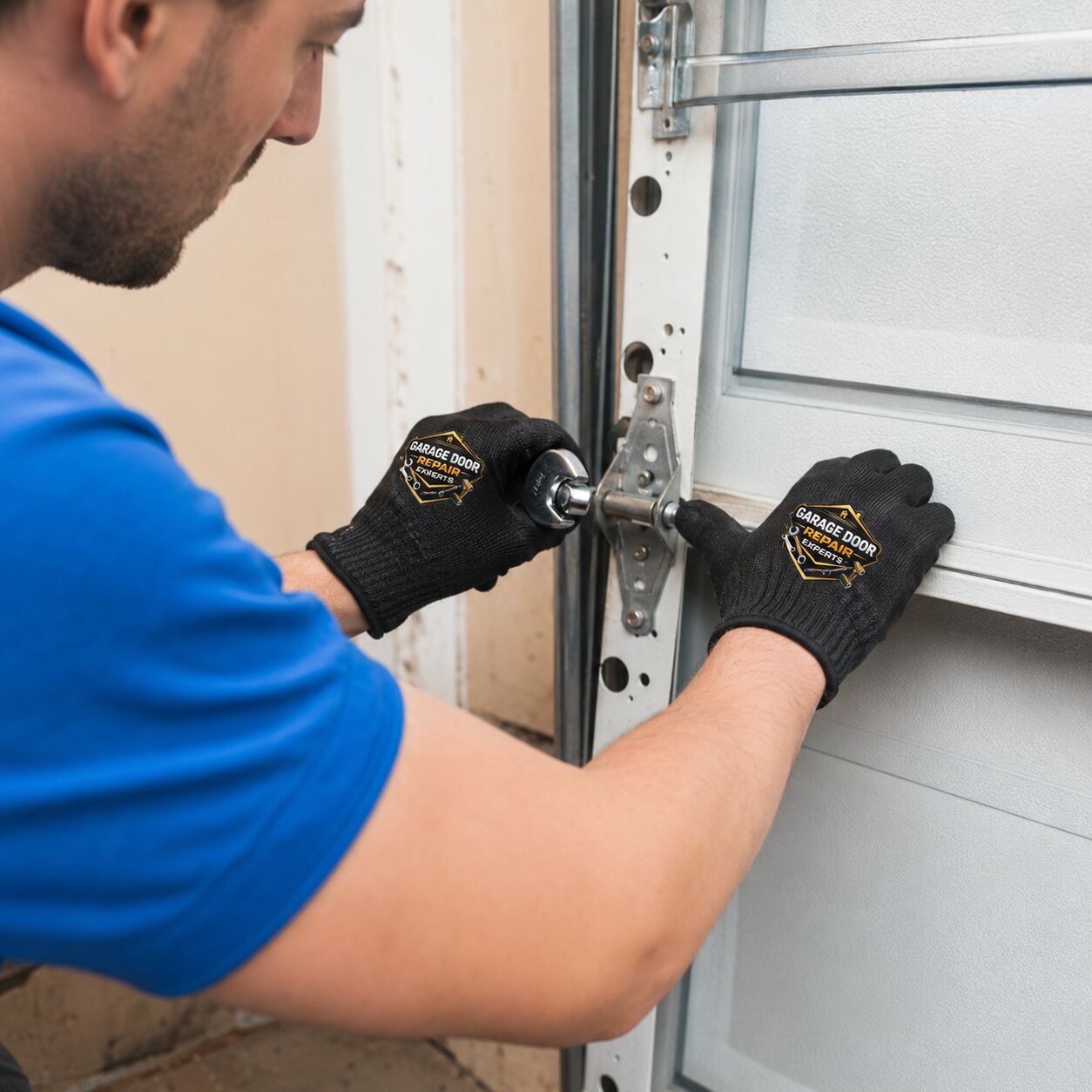
The rubber seal along the bottom of your door, plus the weather strip running up both sides and across the top, is the main thing keeping out rain, wind-driven water, insects, and conditioned-air loss. In Jacksonville's heavy seasonal rain and humidity, a worn bottom seal is one of the most common (and most overlooked) reasons for a damp garage floor or an ant trail along the slab edge.
We replace bottom seals (in standard bulb, T-style, and bead profiles to match your existing track) along with side and top weather strip and threshold seals for added flood protection during heavy rain.
Signs You Need This Service
- Visible cracking, flattening, or gaps in the bottom seal
- Water seeping under the door during heavy rain
- Increased insects, including ants and palmetto bugs, getting in along the floor edge
- Daylight visible along the sides or top of a closed door
- A noticeably warmer or more humid garage than expected for an enclosed space
Why This Happens in Jacksonville
UV exposure and our long, hot summers degrade rubber seals faster here than in cooler climates — most bottom seals need replacement every 3–5 years in Northeast Florida, sooner on south- or west-facing doors that take direct afternoon sun.
Our Process
Inspect all four sides
Bottom, both sides, and top weather strip are checked together, since they all contribute to the same seal.
Match seal profile to your track
Bottom seals come in different retaining-groove profiles; we match yours rather than forcing a generic fit.
Replace and trim to fit
New seal is cut to length and seated fully in the retainer for a continuous, gap-free seal.
Add a threshold seal if recommended
For driveways that slope toward the garage, a flexible threshold seal adds real flood protection during heavy rain.
What Affects Pricing
Weatherstripping replacement is one of the most affordable services we offer relative to the protection it adds, priced by linear footage and seal type.
- Bottom seal profile and length
- Side/top weather strip
- Optional threshold flood seal
- Door width (single vs. double)
Frequently Asked Questions
How often does weatherstripping really need replacing?
Plan on roughly every 3–5 years in our climate, sooner if your door gets direct afternoon sun.
Can a threshold seal actually stop water during a heavy storm?
It significantly reduces water intrusion from sheet flow and wind-driven rain, though it isn't a substitute for proper exterior grading on driveways that slope toward the garage.
Related Services
Tune-Up & Preventive Maintenance
Learn more
Storm & Hurricane Damage Repair
Learn more